






Understanding Melanopic Lux in WELL v2
As building standards evolve, so does the way we measure light.
Under WELLv2, lighting is no longer assessed purely by how bright a space appears. It is also evaluated by how light influences human biology — particularly circadian rhythms, alertness and overall wellbeing.
One of the key metrics introduced in WELL is Equivalent Melanopic Lux (EML). While it may sound technical, its purpose is simple:
To measure how effectively light supports our biological response.
Beyond Visual Lux
Traditional lighting design focuses on photopic lux, a measure weighted to how our eyes perceive brightness.
WELL expands this by considering the response of specific photoreceptors in the eye that regulate circadian rhythms. These cells respond differently depending on the spectrum of light, not just its intensity.
This is where melanopic metrics become important.
What is Equivalent Melanopic Lux (EML)?
Equivalent Melanopic Lux combines two factors
- The quantity of light reaching the eye
- The spectral composition of that light
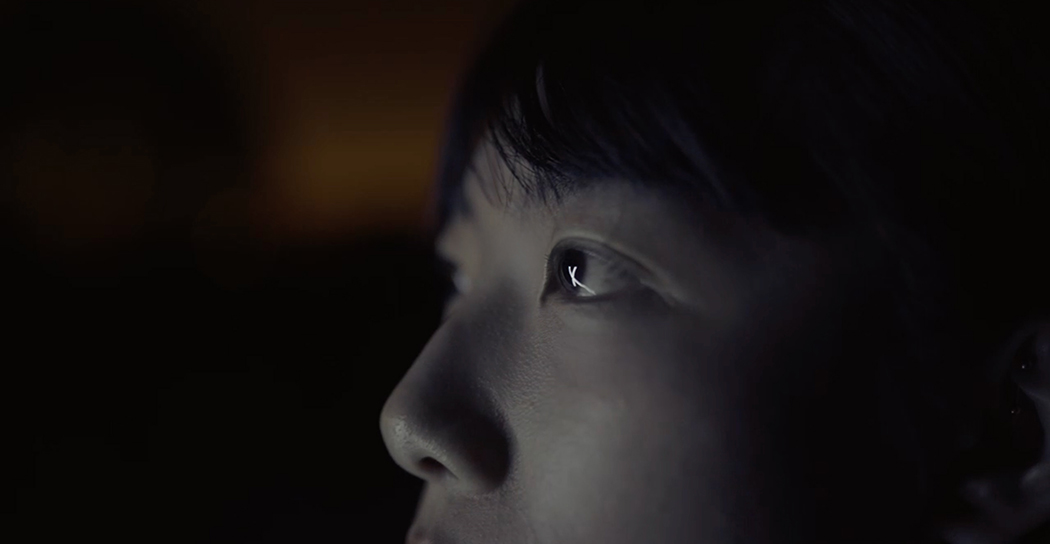
Unlike standard horizontal lux calculations on a desk surface, EML is assessed vertically at eye level, in the direction the occupant is facing.
Inpractical terms, this means lighting must be evaluated from the perspective ofthe person in the space, not just the workplane.
Why Spectrum Matters
Two luminaires delivering the same visual lux can produce very different biological effects.
Higher correlated colour temperatures (CCT), or spectra that more closely resemble daylight, generally deliver higher melanopic responses. This is expressed through the Melanopic Ratio (MR), which converts visual lux into melanopic lux.
For example:
• A 4000K luminaire and a 6500K luminaire delivering identical visual illuminance will produce different EML values.
• The higher CCT source will typically achieve higher melanopic effectiveness.
This distinction is critical when targeting WELL Feature L03 scoring.
How WELL Uses EML
WELL v2 sets clear performance thresholds:
• 150 EML for 1 point
• 240 EML for 3 points
• Or reduced electric lighting thresholds when combined with enhanced daylight access
This means projects must consider both electric lighting and daylight strategy together.
Importantly, increasing melanopic performance must not compromise visual comfort. WELL also includes features addressing glare control and luminance balance, ensuring circadian-effective lighting remains visually comfortable.
Practical Design Considerations
Achieving EML targets requires more than increasing brightness.
Design teams must consider:
• Vertical eye-level illuminance
• Spectral power distribution of luminaires
• CCT selection
• Spatial orientation of occupants
• Integration of daylight strategies
Spectral data from luminaires becomes essential, as Melanopic Ratio calculations rely on accurate photometric and spectral testing.
Lighting Design is Becoming More Holistic
The shift toward melanopic metrics reflects a broader industry move. Lighting must now support both visual performance and biological wellbeing.
Understanding how spectrum, intensity and geometry interact is critical for projects pursuing WELL certification.
Read the Full Technical Bulletin
For adetailed breakdown of:
• EML calculation methodology
• Melanopic Ratio derivation
• Vertical measurement geometry
• WELL Feature thresholds and compliance pathways
👉 Discover our Technical Bulletin: EquivalentMelanopic Lux & Melanopic Ratio in WELL v2
[Link]

Related content

Technical Bulletin: Equivalent Melanopic Lux & Melanopic Ratio in WELL v2
Lorem ipsum dolor sit amet, consectetur adipiscing elit. Suspendisse varius enim in eros elementum tristique. Duis cursus, mi quis viverra ornare, eros dolor interdum nulla, ut commodo diam libero vitae erat. Aenean faucibus nibh et justo cursus id rutrum lorem imperdiet. Nunc ut sem vitae risus tristique posuere.
Technical Bulletin: Cyanosis Observation Index (COI) and AS/NZS 1680.2.5:2018
Lorem ipsum dolor sit amet, consectetur adipiscing elit. Suspendisse varius enim in eros elementum tristique. Duis cursus, mi quis viverra ornare, eros dolor interdum nulla, ut commodo diam libero vitae erat. Aenean faucibus nibh et justo cursus id rutrum lorem imperdiet. Nunc ut sem vitae risus tristique posuere.
Novon Wins Company Sustainability Award
Lorem ipsum dolor sit amet, consectetur adipiscing elit. Suspendisse varius enim in eros elementum tristique. Duis cursus, mi quis viverra ornare, eros dolor interdum nulla, ut commodo diam libero vitae erat. Aenean faucibus nibh et justo cursus id rutrum lorem imperdiet. Nunc ut sem vitae risus tristique posuere.